Space Sensory Lab
Space Sensory Lab (SSL) is the special-purpose R&D arm
of the World Taste & Smell Association (WTSA)
We operate as the convener, integrator, and applied innovation agency—engaged to diagnose challenges, design sensory-driven solutions, and accelerate development in collaboration with astronauts, neuroscientists, sensory scientists, environmental psychologists, mission specialists, architects, and hospitality operators.
SSL integrates neuroscience, sensory science, human factors, nutrition, olfaction, materials science, environmental physiology, and behavioral science to optimize human performance and well-being in microgravity and other extreme environments.
As humanity steps toward orbital and lunar habitats—and prepares for Mars—the sensory environment becomes a vital extension of the life-support system. What we design for space strengthens mood, cognition, resilience, nutrition, appetite, belonging, and recovery in the most demanding conditions imaginable.
These discoveries are not limited to space.
Every insight developed for microgravity accelerates solutions for Earth-based hospitality, wellness, behavioral health, nutrition, long-stay environments, aging populations, sensory loss, and the built environments where people already struggle to thrive.
This dual-impact model creates high-leverage opportunities for forward-thinking partners: funding the future of human experience in space while unlocking scalable applications that improve life on Earth.
Five Pillars of Engagement
1. The Sensory Frontier Report™ & Strategic Consulting
We create the codex every operator needs before building or launching anything:
The Sensory Frontier Report™ (Bespoke Operator Edition)
– the foundational white paper + category-defining framework
Experience Architecture Roadmaps (F&B, wellness, sleep, hygiene, environmental programming)
Operator Playbooks for orbital hotels, long-stay habitats, and commercial space tourism
Risk maps for sensory, behavioral, and operational challenges
Cross-functional design briefs for engineers, architects, and mission leads
Brand positioning + cultural narrative guidance for space hospitality pioneers
This is the McKinsey-style intelligence layer — with the advantage of decades of real sensory science behind it.
2. Sensory Science, Crew Profiling & Human Adaptation Research
We conduct the rigorous scientific groundwork operators rely on to design safe, joyful, high-performance living in orbit, on the Moon, or on Mars.
Pre-flight baseline sensory, behavioral, and emotional mapping
In-flight monitoring of hyposmia, taste suppression, mood shifts, appetite decline, etc.
Post-flight reintegration protocols for long-term quality of life
Longitudinal datasets that define how humans truly adapt to microgravity and off-world habitats
Sensory risk assessment and mitigation strategies
This research becomes the factual backbone for every blueprint, framework, and operational roadmap we develop.
3. Daily Life Systems: Habitat Experience, Fitness, Rituals & Mental Wellbeing
We translate science into the architecture of daily life — the routines that sustain performance, identity, and joy.
Such as:
Environmental psychology: scent, light, acoustics, texture, spatial flow
Sleep, circadian systems, and alertness protocols
Movement/fitness designs for microgravity “gyms”
Recovery and stress-relief rituals
Emotional grounding practices that reinforce belonging and mitigate isolation
We help people live well when everything familiar is stripped away.
4. F&B, Flavor, Cooking Systems, Nutrition & Functional Hydration
We can rebuild the entire culinary experience for suppressed-sense environments, where flavor, appetite, and mood behave differently.
Examples:
Flavor optimization under sensory suppression
Lunar/Mars cooking systems + kitchen protocols
Menu architecture for performance, comfort, and emotional resilience
Functional hydration kits (Calm, Focus, Adapt, Recover, etc.)
Cross-cultural rituals that restore identity far from Earth
The Goal: Restore deliciousness, satisfaction, and pleasure — even when nothing tastes the way it should.
5. Hygiene, Personal Care & Mission-Ready Product Development
We design the personal systems that keep humans feeling human in extreme environments.
Such as:
Waterless, non-floataway product formulations
Zero-G packaging, ergonomics, and safety
Microgravity-safe skincare, grooming, and haircare
Laundry alternatives & garment care
Lifestyle routines for long-duration orbital/lunar/Mars residents
“Daily Life Amenities Kits” for guests and crew
We ensure hygiene and self-care anchor identity, dignity, and well-being — the quiet essentials of civilization.
Prototype → Pilot → Orbit Deployment Pipeline
Collaborate with us to research and develop a turnkey pathway from concept to mission:
Ground simulations & testing
VR + scent + tactile pre-flight training
Microgravity-safety engineering
Commercial Space Station trial partnerships
Guest/crew refinement loops
Certification, compliance, and operator alignment
Global Leadership Team
-

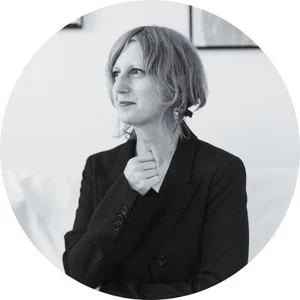
Mindy Yang
Human Experience, Sensory & Clinical Integration
Mindy Yang is a multisensory innovation leader working at the intersection of chemosensory science, product development, and human experience design. As CEO and co-founder of the World Taste & Smell Association — the 501(c)(3) advancing taste and smell health as a public health priority — she has built the organization's clinical research partnerships, its practitioner and patient education programs, and the frameworks that translate sensory science into applied practice.Within Space Sensory Lab, Mindy leads human experience and clinical integration: connecting the lab's research on altered perception in extreme environments to formulation strategy, product development, and the sensory design of habitats. She works with clinicians and researchers studying chemosensory dysfunction, ensuring SSL's off-world work stays grounded in validated science — and that what it learns returns to the populations on Earth living with sensory loss.
-

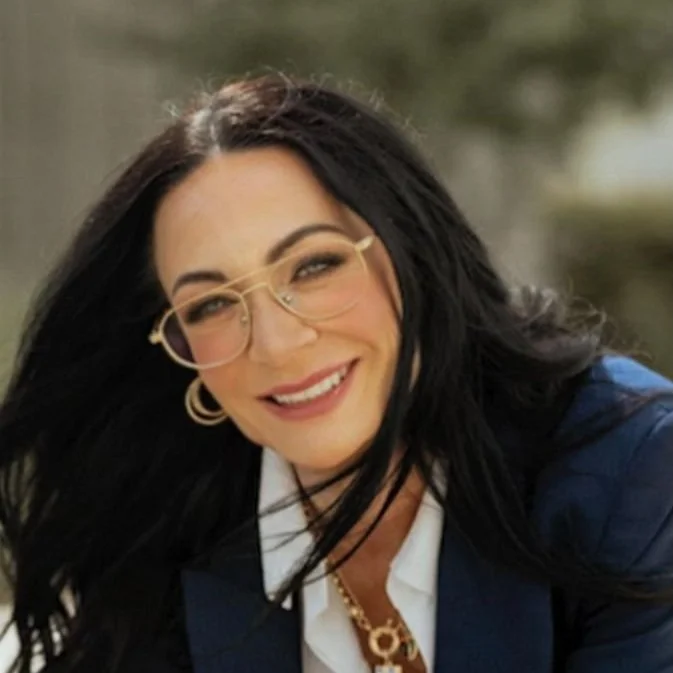
Colleen McLeod Garner, MBA, EMGM, Ph.D. (in progress)
Colleen brings more than two decades of leadership across marketing, sales, and strategic brand development, shaping human-centered experiences that merge culinary craft, sensory science, and psychological wellness. As Director of Growth for Regional University Engagement at Voyager Technologies and a founding leader of the WTSA Space Sensory Lab, she forges cross-sector partnerships advancing food and beverage innovation for emerging habitats and commercial space ecosystems, anchored in her guiding principle of Normalcy in the Extraordinary.
As the only industry leader actively writing alcohol policy for space, Colleen blends business rigor with visionary thinking to define responsible, future-ready frameworks that elevate comfort, connection, and quality of life wherever humanity chooses to explore. -

Jarin Chu
Feasibility, Operations
Jarin Chu is a commercialization strategist and New Space advisor who supports space agencies and scales space startups across the US, EU, and Asia—including an ISS-flown space-food venture—by bridging big market-informed problems with innovation and operational readiness. -

Caroline McMillan, Ph.D.
Sensory Tech & Innovation
An interdisciplinary Ph.D. in technology and human-computer interaction, Caroline works at the forefront of sensory design, research, technology, futures foresight, and measurable innovation in experience systems. With proven expertise in global manufacturing, she translates scientific insight into experiences, products, and spaces that enhance connection. Leading brands and institutions across the frontiers of human perception.
Olfaction Beyond Gravity:
Human Scent Experience in Space
Caroline McMillan, Ph.D., shares WTSA Space Sensory Lab's research into human scent experience in space in IAO’s Olfactory Research Notes series.
On Earth, scent molecules disperse primarily through rising air and diffusion. In microgravity, olfaction changes dramatically. Without aggressive ventilation, air pockets stagnate, odours linger, and bodily fluids migrate toward the nasal cavity, congesting the passages and dulling the sense of smell. The result is sensory monotony, olfactory fatigue, and altered perception.
Additionally, astronauts navigate unavoidable, intimate realities in confined, shared spaces. These circumstances create persistent atmospheres with no fresh air or open windows, and are often marked by avoidance or taboo. Olfactory cues bespeak identity and anchor well-being. So how do we create meaningful olfactory experiences in orbit when our understanding of smell is profoundly altered, both physically and perceptually?
Drawing on astronaut accounts and research from the commercial space industry, this presentation explores scent as an untapped dimension of spatial design. Smell offers subtle, temporal, functional layers that ease discomfort, support mental health, and social cohesion in high-performance environments.
Make an impact today
Support our mission with a donation.