Welcome to the WTSA Newsroom — a global hub for sensory science, wellness, advocacy, cross-modal creativity, and the future of perception.
Our mission is to advance well-being and sensory awareness through interdisciplinary storytelling, research, advocacy, and innovation. We believe that taste and smell are not just biological senses — they are portals to memory, identity, healing, and connection.
We invite submissions from scientists, clinicians, chefs, perfumers, flavorists, technologists, artists, farmers, philosophers, and storytellers who explore the world through the senses.

The Impact of Smell Disorders on Mental Health and Relationships
On Anosmia Awareness Day, February 27, 2026, psychologist Dr. Paula Hopkins presented her unique qualitative research into the social and mental health impact of having a smell disorder.

Loss of smell in over-70s indicates higher risk of stroke and heart disease
For adults over 70, a fading sense of smell may be a subtle biomarker of systemic health—particularly vascular integrity—and could help flag individuals who warrant closer cardiovascular monitoring.

When Your Favorite Scent Stops Being Special: What Science Says about the Shifting Nature of Scent
Your changing responses to scents represent sophisticated body feedback. Alliesthesia, sensory-specific satiety, interoceptive signaling, and neural adaptation work in concert to communicate what your system needs—and what it has sufficiently received.
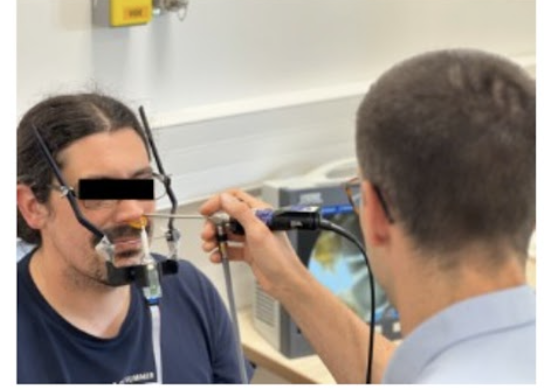
Experimental Device Teaches Brain to “Feel” Odors: Offers Promise For People With Smell Loss
Can you “feel” an odor? Stimulation of the trigeminal system may help people with smell loss detect odors.
Call for Artists from the TBI Community
This call for artists is an unique opportunity for individuals with TBI to showcase their talent and your brain injury experience.

Understanding Phantosmia: When Your Brain Creates Smells That Aren't There
Do you smell burning when nothing's on fire? Metallic odors no one else detects? You might be experiencing phantosmia—phantom smell perception affecting 5-6% of adults.

2026 Editorial Calendar
WTSA Members are invited to share their expertise and contribute:
JANUARY — Reset the Senses
Wellness Rituals · Neuroplasticity · Recalibration
The quiet luxury of starting again.FEBRUARY — Love, Memory & Attachment
Emotion · Bonding · Memory
What we love, we remember through the senses.MARCH — Fragrance Month: The Art & Science of Scent
Perfumery · Materials · AI · Design
WTSA’s authority month.
Art meets data.APRIL — Earth, Plants & The Wonderous World of Molecules
Terroir · Plant chemistry · Regeneration
Earth Day (Apr 22) anchors this month.
All things related to sustainability.MAY — Fresh Signals
”Fresh” , “Clean” & “Green” notes · Clarity · Function
Clean sensations, cooling pathways, daily rituals.JUNE — The Social Life of Taste
Community · Hospitality · Outdoor Living
Taste as social infrastructure.JULY — Summer Pleasure
Beach · Beverages · Texture, Temperature, & Joy
Mid-year review and recalibration of trends.AUGUST — Back to School: Sensory Intelligence
Learning · Focus · Children
Smell & taste literacy as learning tools
Attention, memory, performanceSEPTEMBER — World Taste & Smell Month
Advocacy · Diagnostics · Public Health
Key moments: World Taste & Smell MonthParosmia Awareness Day: Sept 24
Early detection
Retraining & recovery
Policy, access, legitimacy
#VoicesOfExperience. Community support.
This is our impact month.OCTOBER — The Invisible Sense
Anosmia · Distortion · Lived Experience
Depth without despair. Science with dignity.
#VoicesOfExperienceNOVEMBER — Memory, Aging & Alzheimer’s
Dignity · Gratitue · Care · Aging · Prevention
Alzheimer’s Awareness MonthSmell as an early warning system. Aging deserves better design. #DeliciousForAll
DECEMBER — Holidays, Heat & What’s Next
Spice · Indulgence · Trend intelligence
Holiday foods & fragrance
Global spice, warmth, indulgence
What’s hot / what’s out (flavor, fragrance, wellness)
Reflections & Signals for 2027
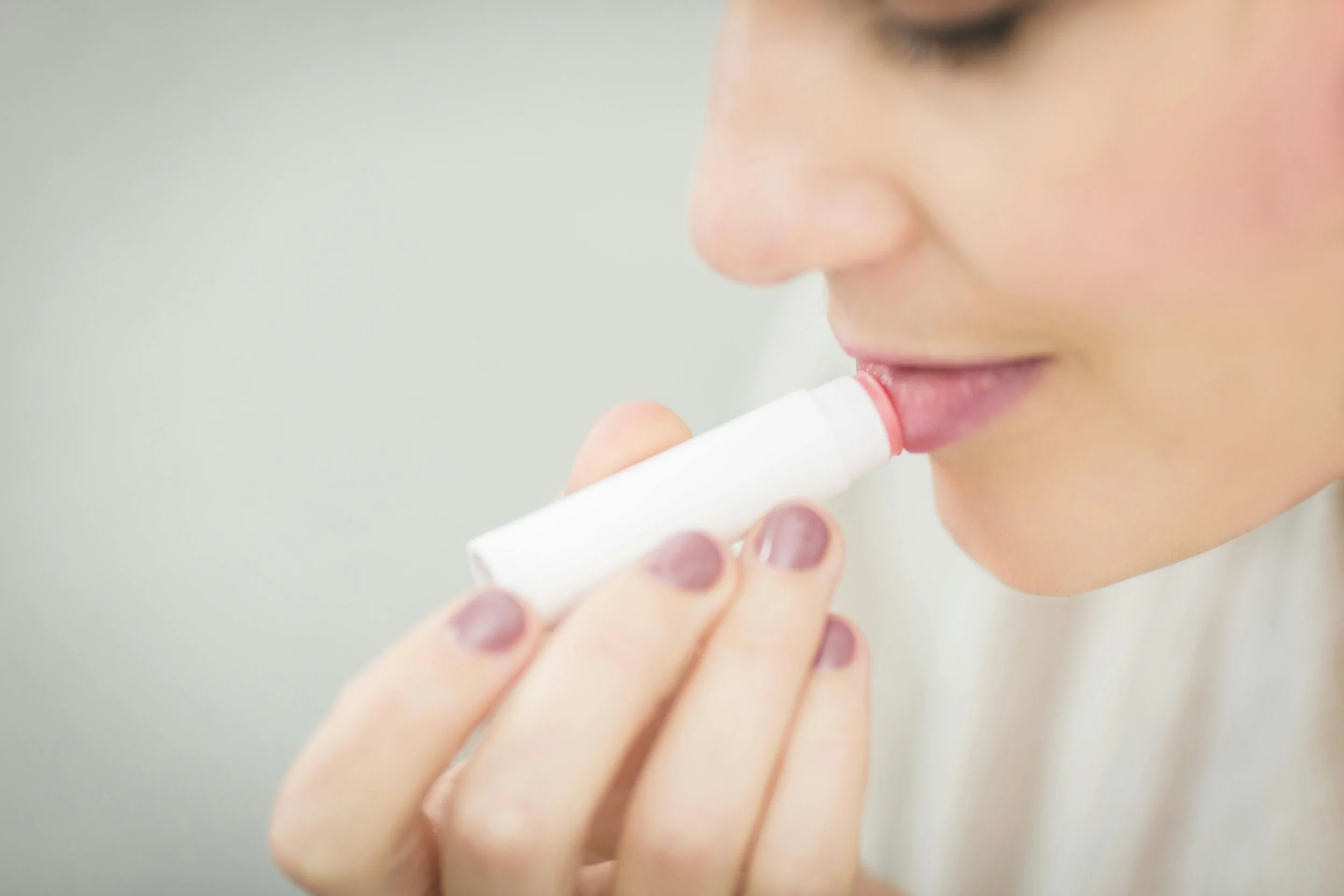
Top Five Flavor and Fragrance Trends for 2026
What will be trending in Flavor and Fragrance in 2026? One expert says we’ll see the impact of GLP-1, more lip balms, and pickle flavorings.

Virtual Taste Makes Its Debut — Reality Gets a Flavor Upgrade
Scientists at Ohio State University have unveiled a bold new step toward immersive virtual reality: a device called e-Taste that makes “virtual food” — literally — tasteable.
The Sixth Taste: Inside the Fight to Rewrite Human Sensation
For more than a century, scientists have maintained that humans can taste only five basic tastes. But the real story is bigger, stranger, and far more consequential.

TIPS FOR HOW TO savor the season, despite taste or smell loss
Holidays can take on a different flavor when you're navigating smell or taste challenges.
Still, there are meaningful ways to reclaim enjoyment, despite taste or smell disorders.

Reawakening the Invisible Sense: Turning Everyday Smell Testing into Longitudinal Sensory Data — for Scientists and the Individual
Discover how WTSA and Yale’s Derek Toomre are transforming everyday smell testing into meaningful longitudinal sensory data for science and self-care.

Feature Spotlight: The New York Times asks — “Can You Improve Your Sense of Taste?”
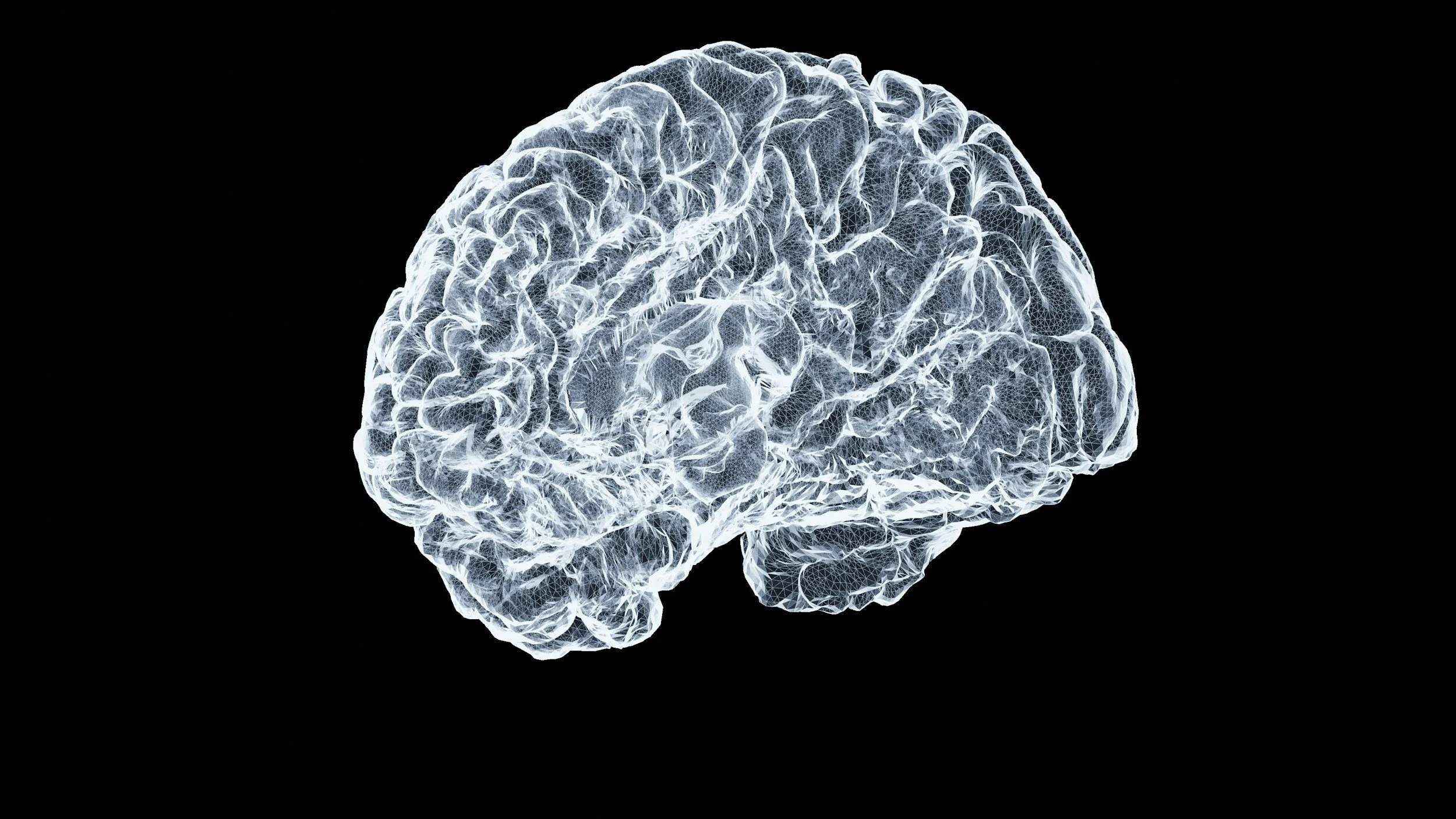
Smell, Matter, Mind: What Olfaction Reveals About the Brain
Long dismissed as a “minor” sense, olfaction is now taking center stage in neuroscience. Recent studies reveal that the ability to detect and identify odors is more than a sensory quirk — it’s a measurable indicator of brain health, emotional balance, and disease progression.
The Phantom Stench: When the Nose Knows Too Much
Most of us do a quick sniff test or ask a partner for reassurance. But what happens when you’re certain you smell bad—even when no one else can detect it?
Avery Gilbert dives into the fascinating (and often heartbreaking) world of Olfactory Reference Syndrome (ORS)—a little-known but increasingly studied disorder where sufferers are convinced they emit foul odors, despite no physical cause.

Multisensory Congruency Strengthens Olfactory Training
A recent study in Chemical Senses found that when participants experienced congruent multisensory stimulation (e.g., taste + smell), their perception of “likeness” was enhanced. In contrast, incongruent cues weakened perception. Interestingly, gustatory co-stimulation exerted a stronger influence than visual pairing, suggesting that cross-modal taste–smell integration has particular power in shaping how we learn and interpret odors.

Retronasal Odors and the Brain: A Shared Neural Code for Flavor
A new study published in Nature Communications demonstrates that retronasal odors alone — without concurrent taste stimulation — can activate flavor-specific neural coding in the human insula, the brain region that integrates sensory, emotional, and cognitive information. This finding shows that aromas can be processed as “flavors” before reaching the frontal cortex, underscoring the central role of retronasal olfaction in how we perceive taste.

Tasting with Your Nose: Brain Imaging Reveals Role of Retronasal Olfaction
A new study provides a possible explanation for why we sometimes experience taste from smell alone.

Sniffing Menthol May Improve Cognitive Function in Alzheimer's Disease